CardapsInsightsEV vs Gas in Canada - Running and Ownership Costs
Fuel & EVMarch 11, 20266 min readUpdated: November 27, 2026

EV vs Gas in Canada - Running and Ownership Costs

Cardaps Research Team
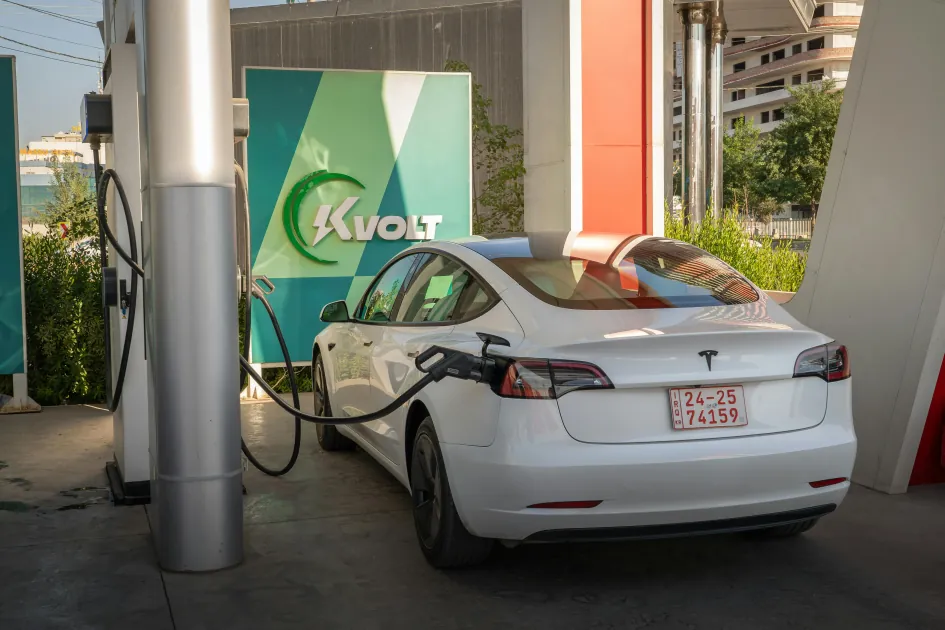
White Tesla Model 3 charging at a public charging station
The price you pay per kWh decides most of an EV's running cost

Quick Answer

An EV is cheaper to run in most of Canada. In Natural Resources Canada's 2026 ratings, a gas Hyundai Kona costs $2,250 a year in fuel and the Kona Electric $652 in electricity, at 20,000 km, $1.50 a litre and 18 cents per kWh: $1,598 a year less for the EV. In Quebec, at the price Hydro-Québec uses for home charging (12.813 cents per kWh with taxes, April 2026), the Kona Electric costs about $464 a year, $1,786 less. Maintenance usually favours the EV; insurance and resale can narrow the gap, and the price difference decides the payback.

Energy Cost - The Official 2026 Ratings

Natural Resources Canada (NRCan) publishes fuel consumption ratings for new light-duty vehicles sold in Canada and, in its Fuel Consumption Guide, an estimated annual fuel cost for each one. The 2026 guide bases that cost on the combined rating, 20,000 km a year, $1.50 a litre for regular gasoline and 18 cents per kWh for electricity. The fairest comparison is the same vehicle in both versions. The 2026 Hyundai Kona with the 2.0 L engine and front-wheel drive (stop/start version) is rated 7.5 L/100 km: $2,250 a year. The Kona Electric is rated 18.1 kWh/100 km: $652 a year. The electric version costs $1,598 a year less to fuel, or $7,990 over five years at those prices. The same gap shows on a family SUV: the gas Chevrolet Equinox is rated 8.7 L/100 km ($2,610 a year) and the Equinox EV costs $695 a year in electricity, $1,915 less. Your own prices move these figures. At 20,000 km, the gas Kona burns 1,500 litres a year, so every 10 cents a litre adds or removes $150. The Kona Electric uses 3,620 kWh a year, so every cent per kWh adds or removes about $36. Enter your own vehicle, distance and prices in the Cardaps fuel-economy calculator to get your figure.
Silver sedan at a gas station pump
At 7.5 L/100 km and 20,000 km a year, every 10 cents a litre adds $150 a year

Electricity Prices by Province - What Changes the Gap

Electricity is where provinces differ most. Hydro-Québec's comparison of residential bills in 12 Canadian cities (rates in effect April 1, 2025, for a home using 1,000 kWh a month, before taxes) gives these average prices, and what the Kona Electric's 3,620 kWh a year would cost at each: Montréal: 8.29 cents per kWh, about $300 a year Winnipeg: 10.53 cents, about $381 Vancouver: 12.60 cents, about $456 Ottawa: 14.35 cents, about $519 Toronto: 15.57 cents, about $564 St. John's: 15.59 cents, about $564 Moncton: 16.61 cents, about $601 Regina: 17.89 cents, about $648 Charlottetown: 19.69 cents, about $713 Halifax: 20.48 cents, about $741 Edmonton: 22.00 cents, about $796 Calgary: 22.90 cents, about $829 Even at the highest of these prices, charging the Kona Electric costs less than half of what the gas Kona costs to fuel at $1.50 a litre. Three things to check for your own case. In Quebec, the home rate has a lower price for the first 40 kWh a day and a higher price for the rest, and Hydro-Québec says EV charging generally falls in that second tier: it uses 12.813 cents per kWh with taxes (April 1, 2026), which puts the Kona Electric at about $464 a year. Elsewhere, a time-of-use plan can make overnight charging cheaper than the average prices above. And public fast charging is priced by each network, per kWh or per minute, and generally costs more per kWh than charging at home, so a driver who cannot charge at home saves less.

Try It Free:

Compare Any EV vs Gas - Free

Maintenance, Insurance and Resale

Maintenance usually favours the EV. Hydro-Québec notes that a battery-electric vehicle never needs an oil change and has no timing belt, oil filter, spark plugs or tailpipe to replace, and that regenerative braking, which slows the car with the motor, makes brakes last two to three times longer. Tires, wipers, the cabin air filter and brake fluid still need regular service. Insurance can go the other way. Premiums follow repair costs, and repairs to an EV, battery damage included, often cost more. The difference varies widely from one model and one insurer to the next, so get quotes for the exact model and trim before you buy and set them against the yearly energy saving. Resale value is the hardest part to predict. Battery health, the battery warranty left and the prices of new models all move used EV prices. Before you buy, look up what three- to five-year-old examples of the same model sell for with the Cardaps price estimator, and do the same for the gas version.

Payback - When the Higher Price Pays Off

An EV usually costs more to buy than the gas version of the same model. To see when it pays off, divide the price difference after rebates by your yearly saving on energy and maintenance. For example, a price difference of $8,000 after rebates, divided by the $1,786 a year of the Quebec example above, pays back in about 4.5 years. If the two vehicles cost the same, for example a used EV priced like a gas model, the saving starts on the first day. Rebates change the difference: our EV rebates guide lists the federal and provincial programs and is updated when they change. Count your insurance quotes in the yearly saving, and check the expected resale value of both vehicles before you decide.

Frequently Asked Questions

EVs cost much less to fuel. NRCan's 2026 ratings put the gas Hyundai Kona at $2,250 a year and the Kona Electric at $652 (20,000 km, $1.50 a litre, 18 cents per kWh), and the gas Chevrolet Equinox at $2,610 against $695 for the Equinox EV. Maintenance is usually lower too (no oil changes, longer-lasting brakes). Insurance can cost more, so get quotes for the exact model.

Hydro-Québec says home EV charging generally falls in the second tier of its residential rate, which it puts at 12.813 cents per kWh with taxes (April 1, 2026). At that price, a Kona Electric (18.1 kWh/100 km) driven 20,000 km a year costs about $464 a year, or about $39 a month. The same driving in a gas Kona (7.5 L/100 km) at $1.50 a litre costs $2,250 a year, about $188 a month.

Yes, on energy. In NRCan's 2026 guide, the diesel Chevrolet Silverado (3.0 L, two-wheel drive, 9.3 L/100 km) costs $2,697 a year at $1.45 a litre, and the Silverado EV costs $1,069 to $1,174 a year at 18 cents per kWh, both at 20,000 km. With your own prices, multiply each rating by 200 for 20,000 km, then by the price per litre or per kWh.

Often, yes, mainly because repairs cost more: battery damage and specialized parts weigh on claims. The difference varies widely by model, trim and insurer, so no single percentage holds for everyone. Get quotes for the exact vehicle before you buy and subtract the extra premium from the yearly energy and maintenance saving.

Routine maintenance is usually lower for the same reasons as on a new one: no oil changes, no spark plugs or exhaust, and brakes that wear more slowly thanks to regenerative braking. On a used EV, the battery matters most: ask how much of the battery warranty is left, ask for a battery health report, and look up the recalls on file with the Cardaps recall check.

Quebec and Manitoba. In Hydro-Québec's comparison of residential prices (April 1, 2025, before taxes), Montréal was lowest at 8.29 cents per kWh and Winnipeg next at 10.53, while Calgary (22.90) and Edmonton (22.00) were highest. For EV charging in Quebec, Hydro-Québec uses its second-tier price, 12.813 cents per kWh with taxes in April 2026. Gas prices also differ by province, so compare both.

Coming soon

The Cardaps Market Digest

Canadian used-car prices and market intelligence, by e-mail. Join the list and we'll send you the first issue when it launches.

  • Price trends by province and model
  • Dealer intelligence: what's selling, what's not

No spam. Your data is never sold. Unsubscribe anytime.

Explore Cardaps Tools - All Free

Related Articles

Continue exploring this topic